Transform Your Dreams Into Reality: Custom Home Insights
Building a custom home is not just about bricks and mortar; it’s about creating a space that reflects your personality, lifestyle, and dreams. The journey from a mere idea to a tangible structure can be overwhelming, but with the right insights and guidance, you can transform your dreams into reality. This blog post will explore essential aspects of custom home building, providing you with practical tips and insights to make the process smoother and more enjoyable.

Understanding Your Vision
Before diving into the building process, it’s crucial to have a clear vision of what you want. This involves more than just selecting a floor plan; it requires deep reflection on your lifestyle, needs, and preferences. Here are some steps to help you clarify your vision:
Define Your Needs and Wants
Start by making a list of what you need in your home. Consider aspects such as:
Number of Bedrooms and Bathrooms: Think about your family size and future needs.
Living Spaces: Do you prefer an open floor plan or separate rooms?
Outdoor Areas: Would you like a garden, patio, or pool?
Next, list your wants. These are features that would be nice to have but are not essential. This could include a gourmet kitchen, a home office, or a media room.
Create a Mood Board
Visualizing your ideas can help solidify your vision. Create a mood board using images from magazines, websites, or social media platforms. This can include:
Color schemes
Architectural styles
Interior design elements
Set a Budget
Having a clear budget is essential in the custom home building process. Determine how much you can afford to spend and allocate funds for different aspects of the build, such as:
Land purchase
Construction costs
Interior furnishings
Choosing the Right Location
The location of your custom home plays a significant role in your overall satisfaction. Here are some factors to consider when selecting the perfect spot:
Proximity to Amenities
Consider how close you want to be to schools, shopping centers, parks, and healthcare facilities. A convenient location can enhance your quality of life.
Neighborhood and Community
Research the neighborhoods you are considering. Look for communities that align with your lifestyle, whether you prefer a bustling urban environment or a quiet suburban area.
Future Development
Investigate any planned developments in the area. Future construction can impact property values and your living experience.
Working with Professionals
Building a custom home is a complex process that requires the expertise of various professionals. Here’s a breakdown of the key players you’ll need:
Architect
An architect will help you design your home based on your vision and needs. They can provide valuable insights into space utilization, aesthetics, and functionality.
Builder
Choosing the right builder is crucial. Look for someone with a solid reputation and experience in custom home construction. Ask for references and review their past projects.
Interior Designer
An interior designer can help you create a cohesive look throughout your home. They can assist with selecting materials, colors, and furnishings that align with your vision.
Navigating the Design Process
Once you have your team in place, it’s time to start the design process. Here are some steps to guide you:
Conceptual Design
Work with your architect to create a conceptual design. This will include floor plans, elevations, and 3D renderings. Make sure to communicate your vision clearly.
Material Selection
Choosing the right materials is essential for both aesthetics and functionality. Consider factors such as durability, maintenance, and energy efficiency. Some popular materials include:
Siding: Wood, vinyl, or fiber cement
Roofing: Asphalt shingles, metal, or tile
Flooring: Hardwood, laminate, or tile
Finalizing the Design
Once you are satisfied with the design and materials, it’s time to finalize everything. Ensure that all details are documented in the construction contract to avoid misunderstandings later.
The Construction Phase
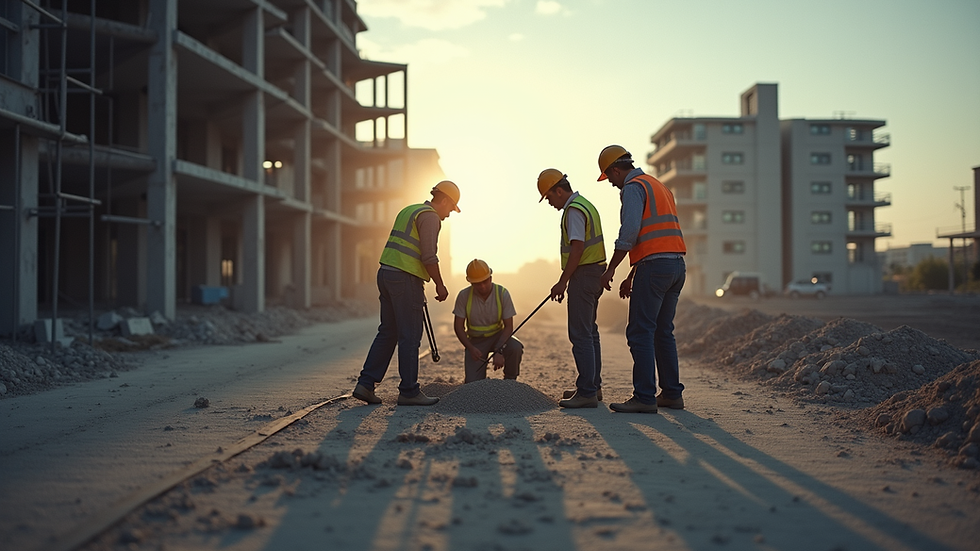
With the design finalized, the construction phase begins. Here’s what to expect:
Site Preparation
Before construction can start, the site must be prepared. This includes clearing the land, grading, and installing utilities.
Foundation Work
The foundation is a critical part of your home. It must be built to withstand the weight of the structure and provide stability. Common types of foundations include:
Slab: A concrete slab poured directly on the ground.
Crawl Space: A raised foundation that allows for ventilation and access to plumbing.
Basement: A full or partial underground space that can be used for storage or living areas.
Framing
Once the foundation is set, the framing process begins. This involves constructing the skeleton of the house, including walls, floors, and roofs.
Inspections
Throughout the construction process, various inspections will be conducted to ensure that everything meets local building codes and regulations. This is an essential step to ensure safety and quality.
Interior Finishing
After the structure is complete, it’s time to focus on the interior. This is where your vision truly comes to life. Here are some key aspects to consider:
Electrical and Plumbing
Before drywall is installed, electrical wiring and plumbing must be completed. Work with licensed professionals to ensure everything is up to code.
Drywall and Painting
Once the electrical and plumbing work is done, drywall can be installed. After that, it’s time to paint the walls. Choose colors that reflect your style and create the desired atmosphere.
Flooring and Fixtures
Install flooring and fixtures such as cabinets, countertops, and lighting. This is where you can add personal touches that make your home unique.
Landscaping and Outdoor Spaces
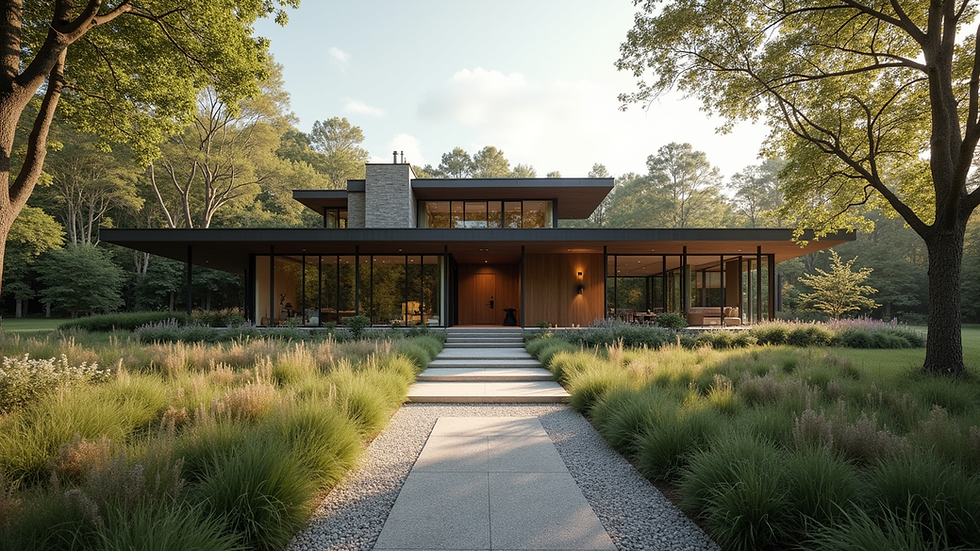
Don’t forget about the exterior of your home! Landscaping can enhance curb appeal and create inviting outdoor spaces. Consider the following:
Plant Selection
Choose plants that thrive in your climate and require minimal maintenance. Native plants are often a great choice as they are adapted to local conditions.
Outdoor Living Areas
Think about how you want to use your outdoor space. Consider adding features like patios, decks, or outdoor kitchens to enhance your enjoyment.
Moving In and Enjoying Your New Home
Once construction is complete, it’s time to move in and enjoy your new space. Here are some tips for a smooth transition:
Organize Your Move
Plan your move carefully to ensure everything goes smoothly. Consider hiring professional movers or enlisting friends and family for help.
Personalize Your Space
Once you’re settled in, take the time to personalize your home. Add artwork, family photos, and decor that reflects your personality.
Celebrate Your Achievement
Building a custom home is a significant accomplishment. Take the time to celebrate this milestone with family and friends.
Final Thoughts
Transforming your dreams into reality through custom home building is an exciting journey. By understanding your vision, choosing the right professionals, and navigating the design and construction processes, you can create a home that truly reflects your lifestyle and aspirations. Remember, this is not just a house; it’s a place where memories will be made and cherished for years to come.
As you embark on this journey, keep your goals clear, stay organized, and enjoy the process. Your dream home is within reach!
Comments